Latest News
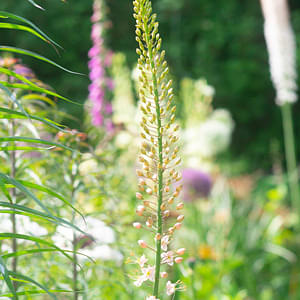
Perennial
plants are a must for any garden they bring a wide selection of colour and quality
to the herbaceous garden from the traditional cottage to the new inspiring
selections, their colourful flowers and foliage will provide impact for many
months. Perennial plants die back in the
winter and send up new grow inn the spring.
The beauty
of Perennial plants is how you can use them, plant them in groups for drama and
visual impact or use as a specimen plant to create a stunning feature,
perennial plants work well when planted amongst shrubs and will add interest and
depth too summer bedding, many perennial plants can be used in containers and
window boxes.
Perennial
plants are ideal for those new to gardening most are easy to grow and very
rewarding, the also make excellent starter plants for children and help inspire
them in the garden. Experienced gardeners
can weave their magic with the endless varieties of perennial plants available
with such a huge colour pallet and abundant flower and foliage shape they are
hard to resist.
You need to divide
perennial plants regularly this helps to ensure vigorous and healthy growth for
many years, if you divide when in growth it’s important to keep them well watered,
the best time to divide is when they are dormant between autumn and spring
depending on the type of perennial plant and the flowering time.
Sit back
and watch the spring and summer perennial plant masterpiece begin
Are Lilium
difficult the answer is no; given the right conditions Lilies will be happy and
most will happily naturalise. Lilium
make excellent garden plants and are ideal for pots, because some soil
conditions are not good for lilies grow them in pots and place in the
herbaceous border between shrubs and perennial plants.
Asiatic
Lily Group are not scented and pollen free, they have a large colour range than
some of the other groups from pure white, pink, yellow, dark red to almost
black, the flowers tend to be more upward facing and are quiet hardy, plant were
they can be left undisturbed. Asiatic
lilies like alkaline soil.
Oriental
Lily Group bring there heady fragrance to the garden, there flowers are large
and wide the colour combination is not as varied as the Asiatic group they tend
to be white, pink to deep carmine red. There is now a new range of double Orientals Miss Lucy is a delightful pure white with a pink flush. Oriental lilies like acid soils if planting in pots use ericaceous
compost.
Orienpet
Lily Group is a combination of Oriental and Trumpet Lilium, fragrant and very tall
with a good colour range from white, pink, yellow, red and orange, the longer
this group is left undisturbed the taller they become you sometimes see them
advertised as tree lilies, they can grow as high as 7ft and are ideal for the
back of the border.
Trumpet
Lily Group have wide, large trumpet shaped flowers with a heady perfume they
tend to be tall, Regale is one of the best know in the trumpet group with it’s
pure white flowers with magenta flush on the reverse of the petals, plant and
leave undisturbed they take little
feeding and will be fine in poor soil.
Specie Lily
Group contain the stalwarts of the garden, they tend to be Turk’s cap with
downward facing flowers, Lilium Martagon and Lilium Martagon Album although
expensive are worth the outlay they will happily self seed and will reward your
investment over the years they can produce over 30 flowers per stem. The Specie group of lilies like dappled shade
although they will take the sun, provide them with acid to neutral soil and
leave undisturbed.
Longifolium
Lily Group they tend to be white but pink is becoming more available, these are
the classic long white trumpet lilium, they are fragrant. They like alkaline to neutral soil.
Most people
think planting bulbs is something you do in the late summer and autumn, Daffodils,
Tulips, Alliums, Crocus, Hyacinths and many more; but even in the late winter
you can be planting bulbs.
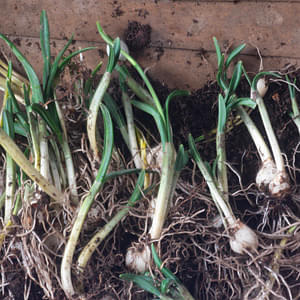
There is a
good range of Bulbs in the Green and planting bulbs this way gives you the
opportunity to plant the bulbs just where you want them.
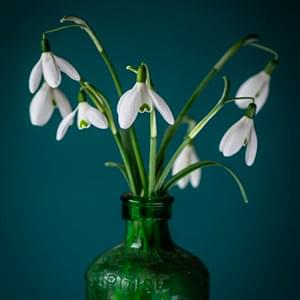
The iconic
Snowdrops, belonging to the Galanthus genus, they start to appear in
January and can stay until early spring.
The Royal
Horticultural Society advises planting snowdrop bulbs "in the green",
when they have just finished flowering and potentially still have leaves attached. Gardeners are told to think about planting bulbs
in late February to end of March, partial shade is ideal, although snowdrops
are hardy plants and fairly easy to grow successfully.
The soil
should be moist, but well drained - and should not dry out during the summer
months, so a little year-round attention is necessary. With no pruning or training required,
however, snowdrops are an excellent introduction to planting bulbs, and can
brighten up a garden at what is often an otherwise grey and cold time of year.
Planting
bulbs does not have to stop at Snowdrops in the green you can also plant the
beautiful Winter Aconite with its lovely buttercup type flower with its green collerette
of small leaves.
If you missed
the chance to plant some miniature Daffodils why not consider planting bulbs of
Tete e Tete in the green for a lovely display in March.
Planting
bulbs of Bluebells in the green can also be done in late February and March who
can resist the site of a blue carpet and the distinctive blue bell smell that
takes you back to the bluebell woods of your childhood.
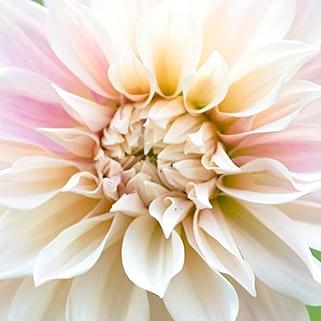
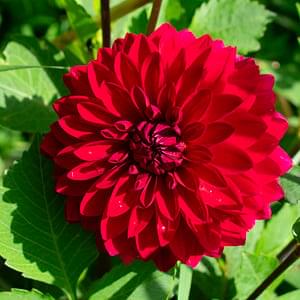
Dahlias are very popular and have gained a wider ordinance
over the last few years. Dahlias come in
a stunning colour range and will fit any garden scheme; there are many shapes
and sizes to choose from
Gallery Dahlias are ideal for pots and the front of the
border these dahlias reach a height of around 14”.
Karma Dahlias are tall they are excellent for cut flower
they have a longer stem them most dahlias.
Bishop and Classic Dahlias have rich dark foliage the Bishop
dahlias like Bishop of Llandaff have the darkest foliage the Classic dahlias
have a dark purple green foliage and when both categories are planted together
they give a deep depth to a planting scheme their flowers are smaller than the
larger decorative dahlias and give a light airy design to the garden.
Pompon and Ball dahlias have small flowers the stems tend to
be long ideal for cutting and flower arranging. The petals are more tightly clustered.
Decorative and Cactus Dahlias are the work horses of the dahlias
there colours and shapes are fascinating from the spiky dark and mysterious Rip City
to the pure white of Decorative Dahlia White Perfection
Dahlias are ideal for the garden they will reward you from
late July until the frost of November, they are the giving plant the more you
cut the flowers the more they will produce, if you want larger flowers nip all
the side buds and keep the one central bud.
To encourage bushy plants it’s important to pinch out the
growth to around 4-6 inches this will encourage multi branching and the results
will be well worth the effort.
Dahlias are diverse and versatile they like a rich soil and
a steady supply of moisture they prefer to be planted in full sun but will take
a little shade. Allow the frost to turn the foliage black, and then cut back to
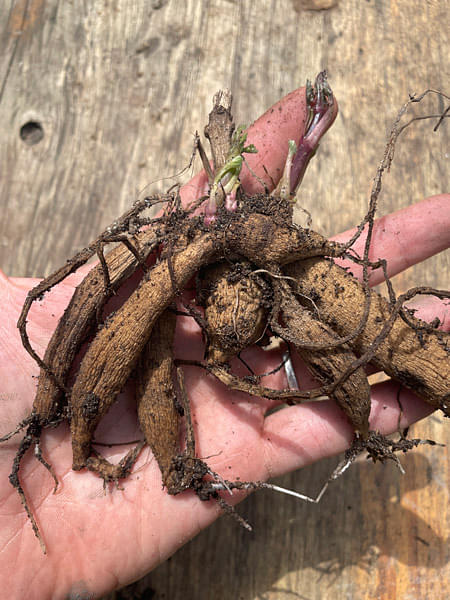
around 15 cm, lift the tubers remove excess soil and place upside down on a
suitable surface, in frost free conditions and allow to dry naturally, You can
dust with a fungicide when dry then place the dry tubers in boxes of either dry
sand or peat to over winter you will need to check occasionally for fungal
infection and cut out any damaged tissue then retreat with fungicide. In warm
areas you can leave Dahlias in the ground over winter, plant to a depth of
around 15-20 cm and provide deep winter mulch.
It’s a question that is often asked: if you have never
gardened before, where should you start?
Of course, where you start with gardening is up to you. If
you have a burning ambition to create a certain look to your garden or want to
grow a certain type of plant, by all means go for it. However, if you’re
completely new to gardening and are looking to ease in gently, one good place
to start is by planting bulbs.
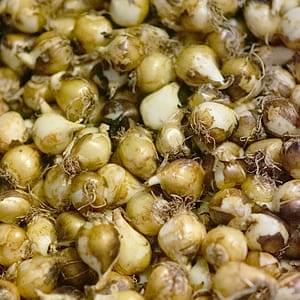
Planting bulbs is a lovely thing to do as the process can be
very therapeutic and gets you in the great outdoors and you’ll also get a great
pay-off when the plants start to grow and flowers begin to appear. Also, with
literally hundreds of options available, you are certain to find bulbs to suit
your tastes.
One thing to remember is that different bulbs are meant to
be planted at different times of the year, so when you make your purchases
check to see that it’s the right time for them to be planted. Bulbs are also a
good option for new gardeners as you can use them no matter how much or how
little space you have available.
Bulbs are a great space filler choose varieties the will
naturalise over time and mix with perennial plants to give all year
interest. There are many bulbs that you
plant in the spring to flower over the summer to autumn months the beautiful
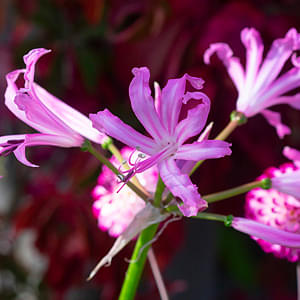
Nerines, Acidanthera, Crocosmia, Galtonia, to name just a few, there is a wider
choice of Lilium bulbs available in the spring to choose from the Orientals,
Trumpet and Orienpets have beautiful perfume and the aziatics are good cutting flowers the
species are good for naturalising; have a look around our spring website to be
inspired by the range and choice available for your summer and autumn displays
Are you looking for some lovely autumn bulbs that you can
plant now so they’ll flower in the spring? If so, read on to find out about
some great autumn bulbs that could make a really lovely addition to your
garden.
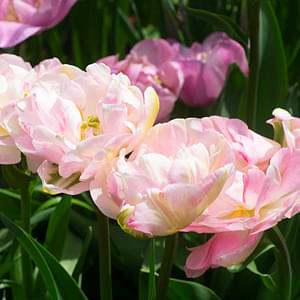
Tulips are a very popular autumn bulb choice. The wide range
of tulips available makes them even more appealing; with a variety of colours,
shapes and flowering times on offer, they’re attractive to everyone. Have a
look at the selections on our website to see what’s available.
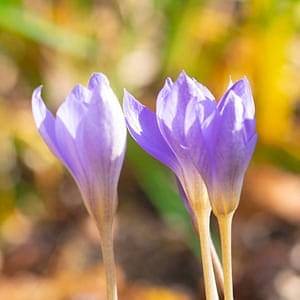
Crocus bulbs are one of the earliest to flower in the spring.
These are really sweet, pretty flowers that look beautiful whether they are in
little clumps or scattered around a planting area. The autumn is also a good
time to plant daffodil bulbs; as some of the most popular springtime flowers,
daffodils are a definite must have with a colour range, size and flowering time
to suite any garden.
You could also have a look at other autumn bulbs such as the
iris from the dwarf flowering varieties that flower in February to the
beautiful Dutch Iris that flower in June and make and ideal cutting flower,
they are a great addition to any garden.
The hyacinth is another favourite with there beautiful heady scent that fills
the spring air.
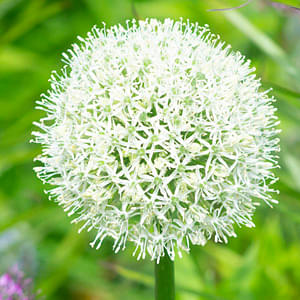
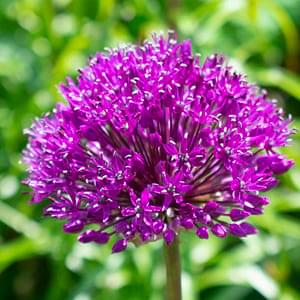
Allium bulbs provide a stunning display from May to June
with there different shapes and sizes they are a bulb that should be planted in
the autumn to give a stunning late spring early summer display.

Working in the garden with your children can be really
rewarding and a great thing to do – but how do you get
them interested in it in the first place? Here are some tips on how to get your
children excited about the garden.
Make it manageable
If you’re gardening with children, it’s probably best to
keep things simple. Give them a small section of garden to work on and
encourage everything they do.
Get dirty
It almost goes without saying that the majority of children
rather like the dirt. As well as choosing your own bulbs let them choose the
bulbs they would like to grow; give them the chance to help you with the
planting. They’re sure to appreciate the chance to get mucky – and it helps to
make the process much more fun.
Watch things grow
Probably one of the best ways to help your children get into
gardening is to buy bulbs that they can nurture and watch as they grow over
time; by getting them to choose the bulbs they want to grow will really keep
them interested in the outcome; let them have a look around the Peter Nyssen
site so they can see what the ‘finished’ flowers look like first.
Planting results
It can be very rewarding for children to nurture the bulbs
to flowering; when in flower they can pick the results of there growing effort
and present to family members. Have fun
with children in the garden.

The Daffodil is well
known as one of the most recognisable flowers around, with very good reason;
their cheerful appearance and gorgeous, sunny colour makes them popular with
people everywhere. The great news for
daffodil lovers is that their is a wide range of daffodil bulbs to tempt and
inspire you, with such a wide choice of daffodils available you can extend the
flowering season of the daffodils from End February to Mid April.
On our list you will
see daffodil are divided into 13 categories. These range from the popular and beautiful Division 1 daffodils, like
Golden Harvest and Rijnvelds Early Sensation, to the wild type daffodils,
Recurvus (Old Pheasant Eye) and the more unusual and rarer varieties of
daffodil bulbs.
Daffodils come in a
wide range of colour from difference shades of yellow, cream, white and much
more, if you are a lover of daffodils it
is definitely worth exploring the different categories of daffodils bulbs the
shapes and colours of daffodils is very wide and varied. Whether you’re a fan
of the golden yellow daffodil or you prefer the smaller, more delicate
versions, there is sure to be a selection of daffodils to enhance your garde

Everyone loves
planting bulbs and watching them grow and produce their glorious flowers. There
is such a huge choice of bulbs for sale for plant lovers, from early snowdrops,
crocus, daffodils and tulips to a wide selection of alliums anemone, lilium,
camassia, fritillarias and much more.
The planting area
The amount of space
you have available can have an impact when choosing form the range of bulbs for
sale. Most bulbs require space to
develop and produce their offsets. Some
bulbs for sale can take many years to develop the next generation. After all you wouldn’t want to put a 100
daffodils in to a small pot – less is always more, let the choice of bulbs for
sale inspire you.
What you like
Probably the most
important factor when choosing from bulbs for sale is the style of flower you
like. We all have our favourites but
sometimes it’s worth picking something a little different from the bulbs for sale
and you may be pleasantly surprised by your choice. Choosing your favourite is an investment that
will bring months of enjoyment and pleasure. Alliums are always such good value for money and give a wonderful display
in May and June they are an excellent choice in the bulbs for sale list,
experiment who knows you may discover beautiful bulbs for sale you never
considered before.

Planting bulbs is
something the vast majority of gardeners do every year. Growing your own flowers is exciting and
getting it just right can be really rewarding, especially when they start to
grow. There are a few things to consider
then planting bulbs here are a few of them.
The time of year
Before you start
planting bulbs check it’s the optimum time to plant, read any planting guides
provided. For example, don’t buy
daffodils in February. Planting bulbs at
this time of year is a waste of your time and money.
Where to plant
Different bulbs
require different conditions in which to grow to their full potential. When planting bulbs make sure you have enough
water and light for their needs. Some bulbs like plenty of sunshine, whereas others
prefer a shady nook. When planting bulbs
make sure you plant to the correct depth; cyclamen need planting very shallow,
almost at the top of the soil, whereas daffodils like to be planted deep. Planting
bulbs correctly will reward you for many years.
Caring for them
Generally when you’re
planting bulbs the care you give them will make it so much easier further down
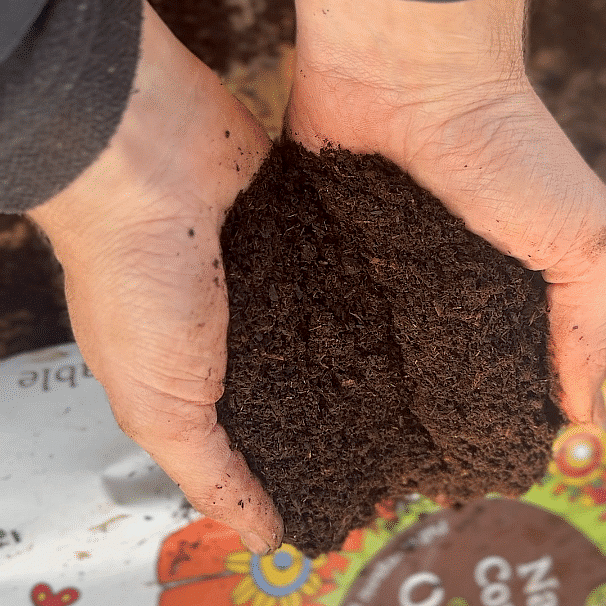
the line. Always use a good soil based compost if planting bulbs in pots, a
high potash fertiliser is a perfect food. After planting bulbs let them develop and grow to around a few inches,
then every two to three weeks give them a feed up to flowering and then you can
stop feeding. This helps with the flower
storage for the following year. Daffodils are best fed after flowering.
Once you finish
planting bulbs, sit back and wait for the floral spectacle to begin.